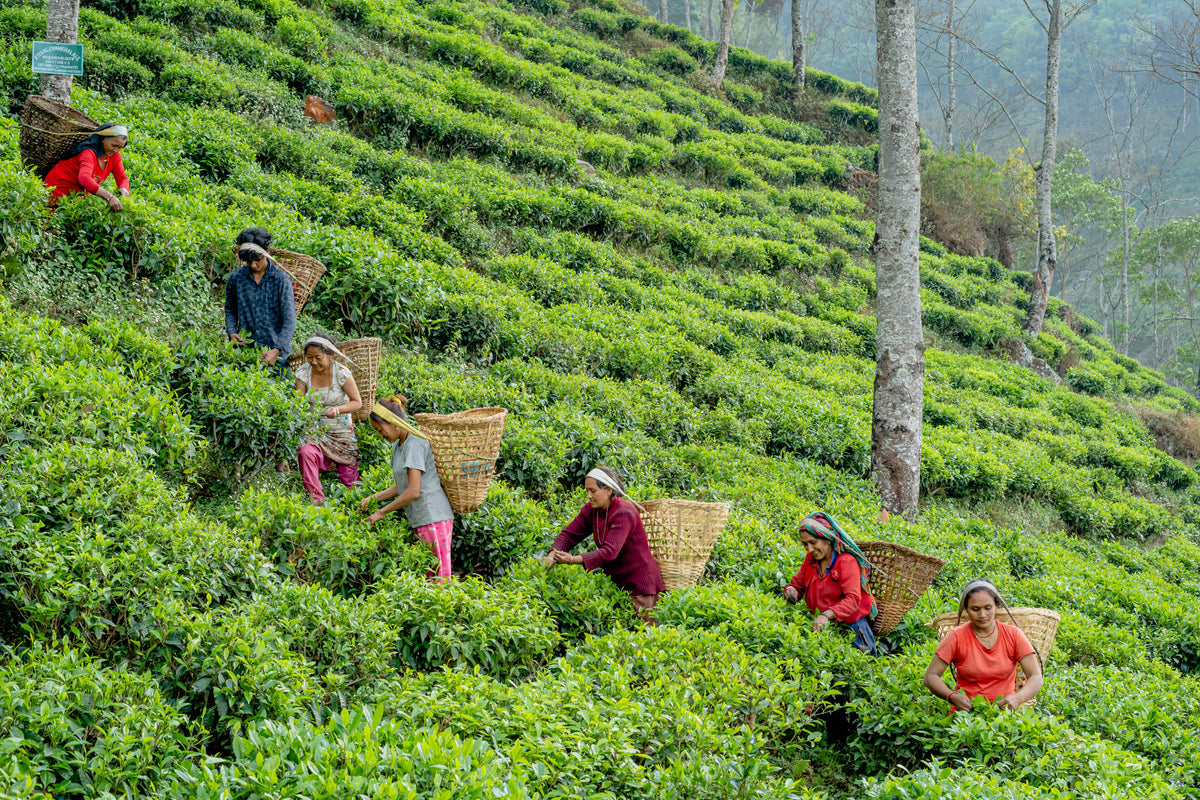
Tea pickers harvesting leaves by hand on a hillside tea garden in Nepal
The pluckers · Kanchanjangha garden, Nepal
The people · Kanchanjangha

The hands behind every tin.

Tea is not made by altitude alone. It is read, picked, turned and finished by people who know the leaf by sight, touch and weather.

01 Farmer-owned Since 1984
02 100+ families Shareholders in the estate

The people who grow and make the tea are not an anonymous supply chain. Their experience is part of every harvest.

01 / Known by name

Four people.
Four paths through tea.

Grower, maker, tea master, factory worker—each person holds a different part of the knowledge behind the cup.

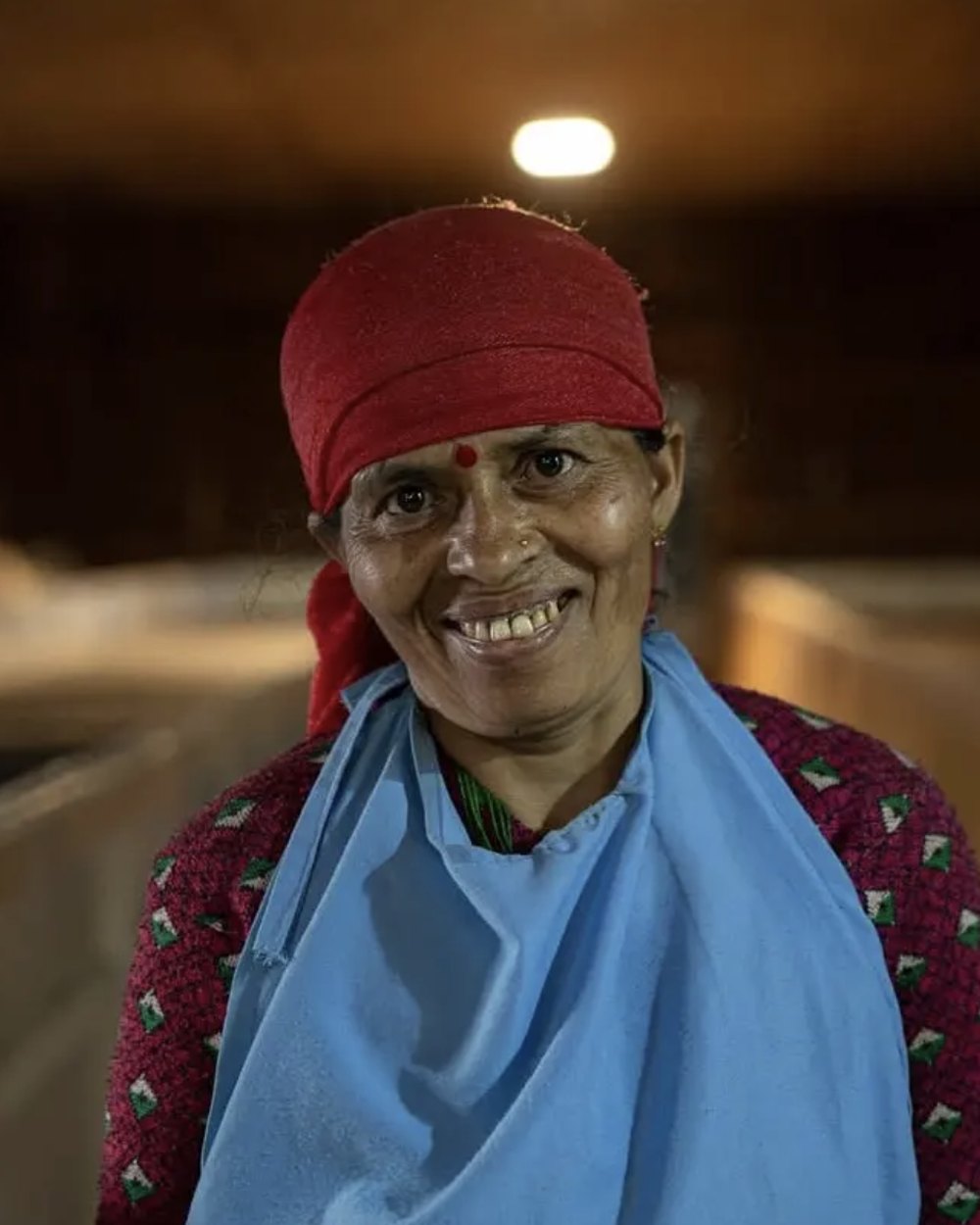
02Tara Khatiwada
Factory worker — 5 years at KTERC

Tara Khatiwada

“Tea has given me more than a paycheck. It's given me a circle of strong women who lift each other up.”
Read the story
02 / Their stories

In their own words.

Our garden has been certified organic since 1996, and farmed that way on an estate established in 1984. The same families who own it pluck, wither, roll and sort every leaf.

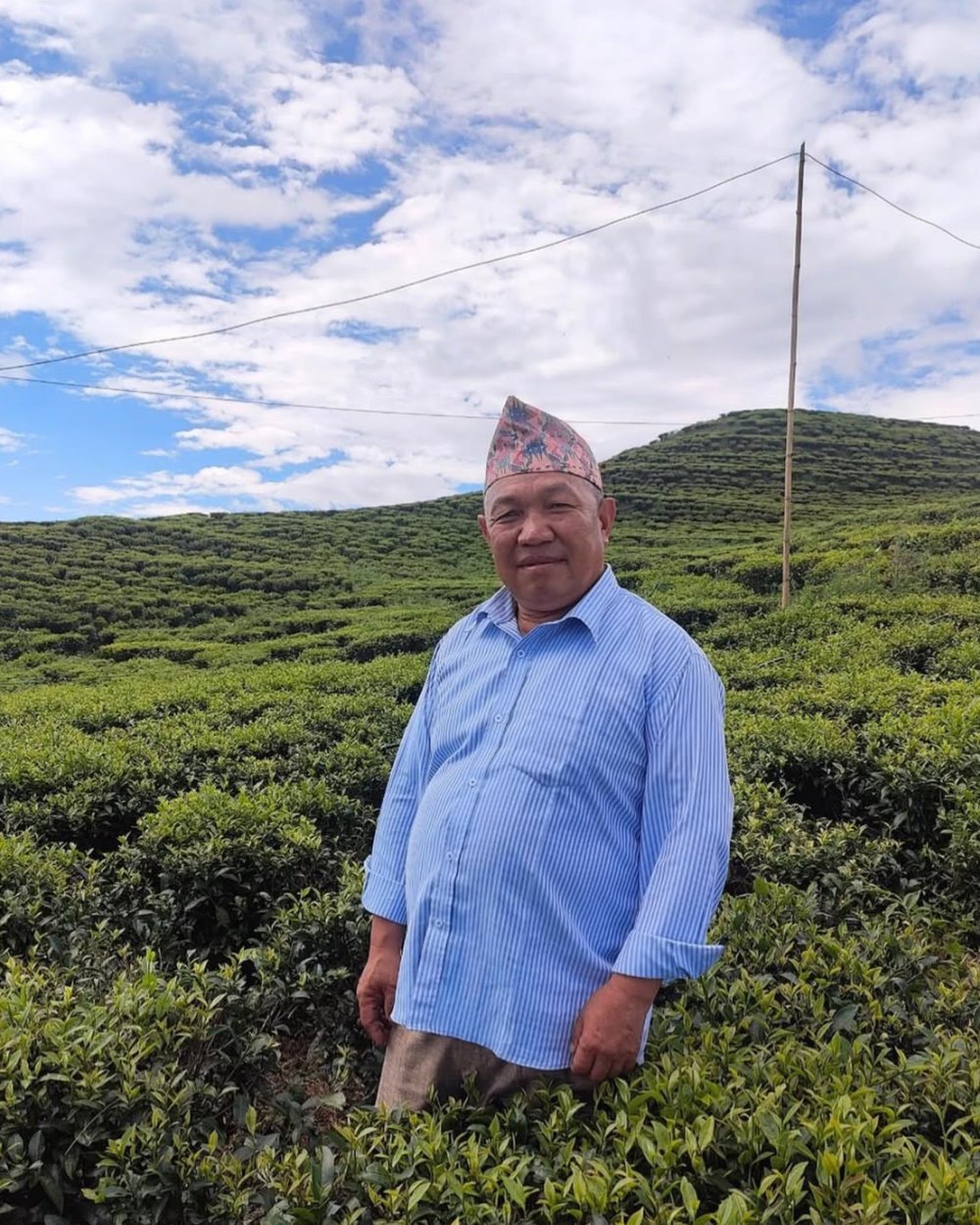
Chandra Prakash Bhattarai
Tea master — Kanchanjangha Tea Estate

Chandra Prakash Bhattarai

10 years at KTERC · Factory operations

“My tea journey has taught me: you don't always have to start with a calling. Sometimes, you grow into it.”

I didn't grow up dreaming of making tea. I just lived near the factory, and back then, I needed a job. That's how my journey in tea started ten years ago at Kanchanjangha Tea Estate and Research Center.

But over time, something changed and the work wasn't just work anymore. I began to fall in love with the process of tea making and the way small changes could shape big flavors. All of this started as survival, but it slowly turned into my passion.

Today, I help run the factory I once walked into as a new worker. They call me a tea master now. But really, I'm just someone who stayed curious and kept learning.

The teas Chandra helps make

Tara Khatiwada
Factory worker — Kanchanjangha Tea Estate

Tara Khatiwada

5 years at KTERC · Withering & processing

“Tea has given me more than a paycheck. It's given me a circle of strong women who lift each other up.”

Five years ago, I made a difficult choice. I left behind a life of crop farming and livestock work. It barely fed my family. I had heard about a scholarship program for workers' children at the estate in my town. That hope is what led me to tea.

Today, I live in the farmers' quarters near the factory with my husband and two daughters. I'm the only one earning right now. Some days, I stay in the factory until 10 PM when the withering schedule demands it. It's hard, yes. But this life is still easier than the one I left behind.

Tea has given me more than a paycheck. It's given me a circle of strong women who lift each other up. Most importantly, it has given both of my daughters a chance at attending school.

And in all this, I carry a dream — of seeing my daughters graduate, find dignified jobs, and live lives full of opportunity, the kind I never had. Every day I push through, it's all for them.

The teas Tara helps make

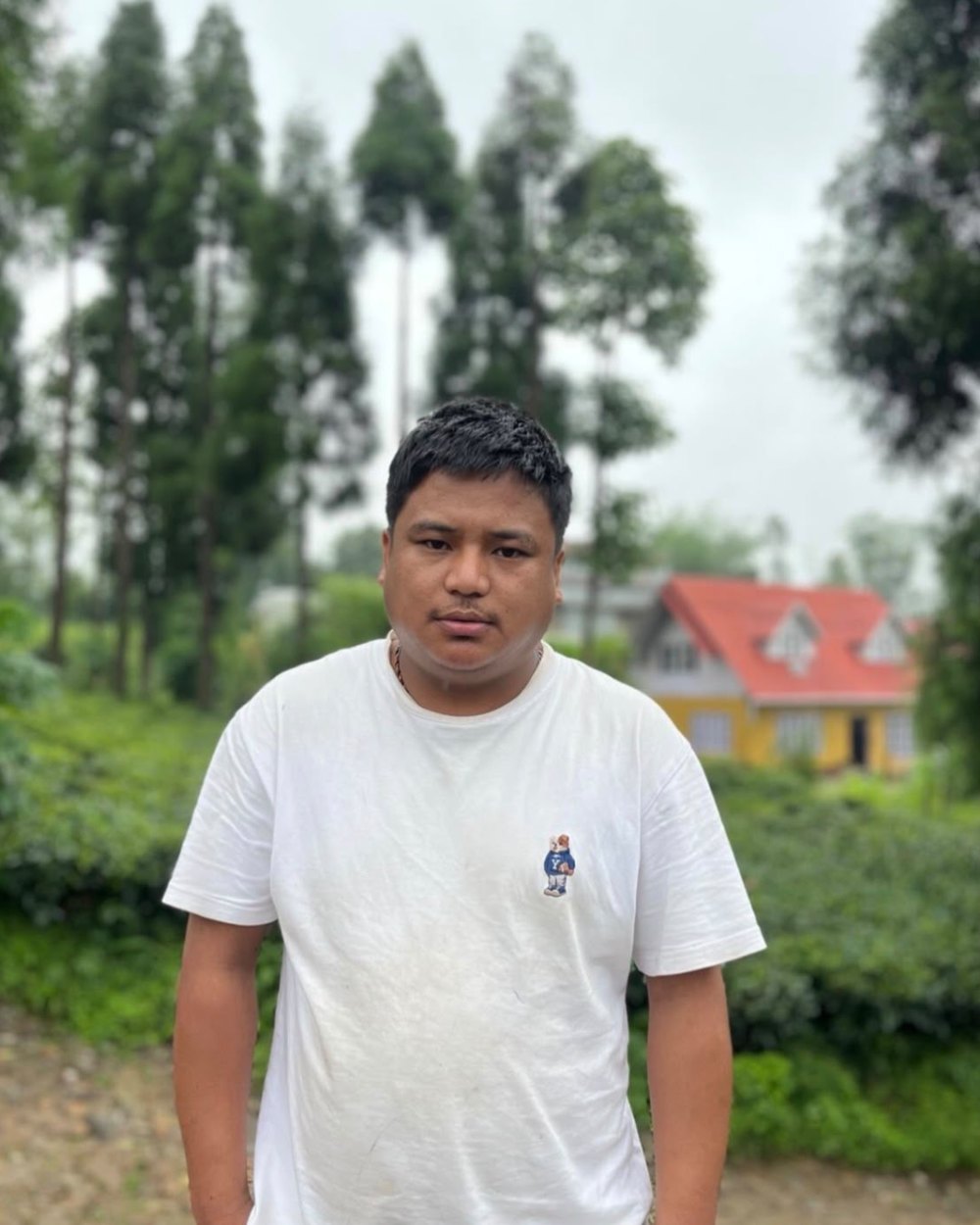
Sujan Limbu
Tea maker — back in the Ilam gardens that raised him

Sujan Limbu

“I am not the man who almost gave up. I am the man tea brought back.”

I was born among the tea gardens of Ilam, in the quiet green hills where the mist settles over the bushes each morning like a blessing. Before I understood anything else about the world, I understood the rhythm of tea, the careful hands that pluck each leaf, the patience it takes to grow something worth savoring. That was my first language: honest work, done slowly, done right.

Then I left for the city, chasing something bigger. For a while, I thought I’d found it: a good job, a good salary, a life that looked, from the outside, like success. But somewhere in that noise, I lost the person I used to be. Alcohol became my escape, then my habit, then my prison. It crept into every corner of my life until I couldn’t recognize myself anymore. There came a night when the weight of it all became unbearable, when I stood at the very edge of giving up on my own life.

I don’t know exactly what pulled me back. Maybe it was the memory of those green hills. Maybe it was some small, stubborn part of me that wasn’t ready to disappear. But I made the hardest decision I have ever made: I went home.

Coming back to Ilam wasn’t a retreat, it was a rebirth. I put down the bottle. I stripped my life back to something simple and clean; I became vegetarian, and with each small choice, I began rebuilding myself, piece by piece, from the inside out. The tea gardens that raised me became the place that healed me. There was something sacred in returning to the soil, the leaves, the quiet mornings, something that reminded me who I was before I ever lost my way.

Today, I stand among those same gardens, older and humbled, doing the work that once shaped my childhood. I am not the man who almost gave up. I am the man tea brought back.

If you ever wonder whether it’s possible to lose everything and still find your way home — I am proof that it is. Tea didn’t just give me a second chance. It gave me myself back.

The teas Sujan helps make

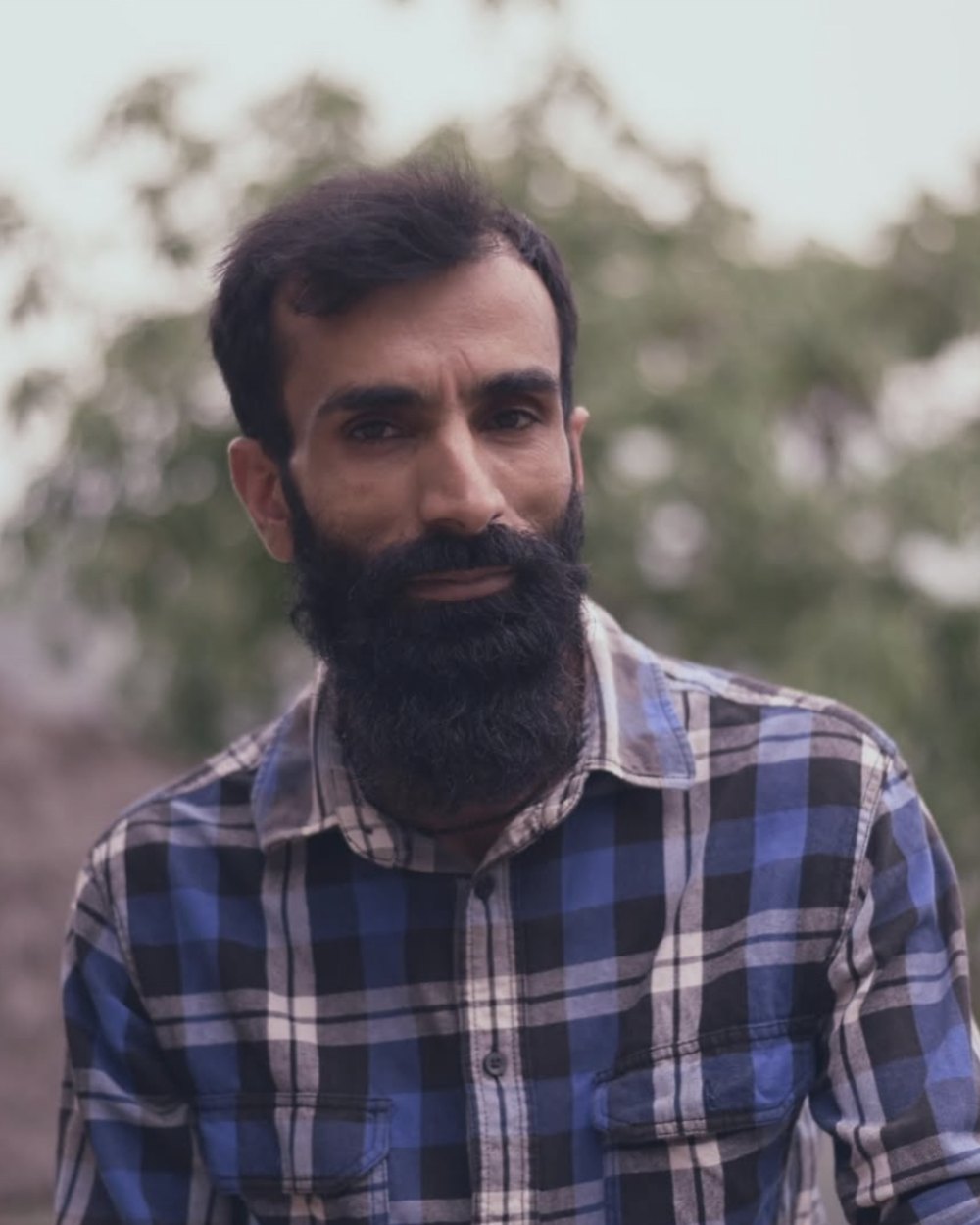
Bikram Chemjong
Grower and maker — processes his own leaf

Bikram Chemjong

“Every cup shared was a small bridge between two lives.”

I still hold another job, but tea is where my heart truly lives. What drew me in wasn’t just the leaves themselves, it was the people. Over the years, tea has connected me with strangers who became friends, from Nepal and from countries I’d never even visited. Every cup shared was a small bridge between two lives. Being part of that felt like being part of something bigger than myself.

There’s something beautiful about how simple tea is, an everyday ritual, familiar and unassuming, yet how much it quietly gives back. When I drink it, I feel lighter, calmer. My digestion feels better. Some days, I swear even my eyes feel clearer. My favorite is white tea, delicate, subtle, the kind you have to slow down to truly taste.

But nothing compares to the first time I brewed tea from leaves I had grown and processed myself. Lifting that cup to my lips, tasting something that had passed entirely through my own hands, from soil to steam, that moment has never left me. It was proof that patience and care can turn into something real, something you can hold.

The hardest part of this journey hasn’t been the growing or the making, it’s been the selling. Finding the right words, the right way to share what I’ve poured myself into, to a world that doesn’t always see the story behind the leaf. That part still challenges me.

But everything else? I’ve loved every single step.

The teas Bikram helps make

03 / From tin to person

Scan the tin.
Know the hands.

The QR experience is designed to connect a physical tin with its digital harvest record: garden, season, elevation and the people who made it.

Interactive demonstration · live harvest data is not connected.

Physical productSummit Gold tea tin used in the traceability demonstration

Tap to reveal the people record

The maker record appears here

Summit Gold

Estate
—
Elevation
—
Maker
—
Plucked
—
See the tea
People before product

Every leaf begins
with someone.

Explore their teas